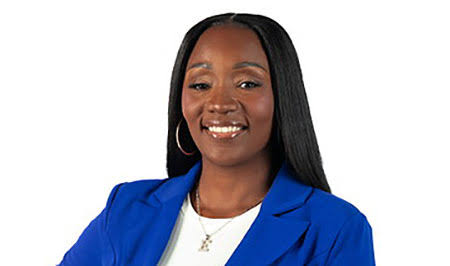
Shonique Williams is an American civil rights leader, criminal justice advocate, and progressive Democrat from Southern California. Born and raised in the Riverside area, she has built a public profile through community organizing, policy advocacy, and a 2026 campaign for the United States House of Representatives in California’s 41st Congressional District.
Her path reflects personal hardship, including experiences with the foster care system, domestic violence, and a felony conviction she has consistently described as wrongful, followed by focused work on reform, education, and support for returning citizens and survivors. This biography draws on publicly reported interviews, campaign statements, and election records to present verified details of her life and work.
Who Is Shonique Williams
Shonique Williams is a first-generation college graduate and progressive Democrat based in the greater Los Angeles County area of California. She has worked as a statewide organizer for criminal justice reform, collaborated with organizations focused on reentry and policy change, and operated as a small business owner while advancing her legal education. In 2026 she sought election to represent California’s newly configured 41st Congressional District, which includes communities in southeast Los Angeles County and parts of Orange County. She finished fourth in the June 2, 2026 top-two primary and did not advance to the general election.
Williams has described herself as a civil rights leader motivated by lived experience with the justice system. She maintains that her 2014 arrest and subsequent felony conviction occurred while she was a survivor of domestic violence and that she was wrongfully incarcerated. After serving one year in state prison she turned to advocacy, helping families navigate the system, supporting survivors of violence, and promoting pathways to education and housing. Public records and her own statements confirm the conviction while she continues to assert her innocence.
Shonique Williams Early Life
Shonique Williams was born in 1991 in Riverside, California. She is an American national raised in Southern California. In interviews she has spoken openly about a difficult childhood that included child abuse in multiple forms, time in the foster care system, and periods of homelessness. She has stated that she first experienced homelessness on her own at age 15. Her mother raised her under challenging economic circumstances that included reliance on public assistance.
A formative moment occurred when she was eight years old. An uncle received a lengthy sentence under California’s Three Strikes law for multiple robberies in which, according to Williams, no one was killed or injured. She has said the severity of that sentence led her to decide she would pursue a career in law, initially aiming toward criminal defense. The experience left a lasting impression about fairness and the reach of the criminal justice system.
Williams has described systemic barriers, limited mental health resources, and instability that shaped her early years. Despite these challenges she completed high school and entered higher education, later becoming the first in her family to earn college degrees. Her Southern California roots, particularly the Riverside and broader Inland Empire and Los Angeles County areas, remain central to her identity and the communities she seeks to represent.
Shonique Williams Education and Path to Law
Williams earned an Associate’s degree in Criminal Justice, a Bachelor’s degree in Psychology with a minor in Addiction Studies, a Master’s in Legal Studies, and a Juris Doctorate. She completed her law degree through Purdue Global Law School while simultaneously running her first congressional campaign, finishing the Juris Doctorate around the time of the 2026 primary. She has publicly noted that many people doubted she could complete law school under those conditions.
Her decision to study law traced directly to the childhood experience with her uncle’s sentencing and later to her own encounters with the justice system. She initially planned to practice as a criminal defense or civil rights attorney. The combination of formal legal education and lived experience has informed her advocacy focus on reentry, survivors of violence, and systemic reform.
Shonique Williams Career
After her release from prison Williams entered advocacy and organizing work. She served as a statewide organizer for criminal justice reform with the Women’s Foundation California. She collaborated with the Anti-Recidivism Coalition and contributed to statewide efforts that included the Women’s Dignity Campaign and California’s Ban the Box legislation, which limits when employers may inquire about criminal records.
Advocacy and Organizing Work
In these roles Williams assisted returning citizens, supported survivors of violence, and advocated for affordable housing, trauma-informed programs, and access to higher education. She has described frustration with the legislative process when bills she supported faced delays due to political timing rather than the merits of the proposals. That experience contributed to her decision to seek elected office so she could push for change from inside the system.
She has also identified herself as a small business owner and has spoken about founding or leading an advocacy organization focused on preventing experiences similar to her own. Her work consistently centers Black, Brown, and other marginalized communities, with emphasis on economic opportunity, mental health resources, and reducing barriers created by the justice system.
2026 Congressional Campaign
Williams entered the race for California’s 41st Congressional District after redistricting created a new configuration covering Downey, Whittier, Norwalk, Bellflower, Lakewood, and portions of Orange County including Los Alamitos and La Habra. At the time she lived in Pomona and indicated she was considering relocating within the district. Her platform prioritized affordable housing, including rent increase caps, living wages, mental health and substance abuse services, criminal justice reform, and broader progressive priorities such as expanded healthcare access and support for working families.
She positioned herself as a progressive Democrat willing to hold all parties accountable. In the June 2, 2026 nonpartisan primary she received 12.8 percent of the vote (21,112 votes), finishing behind incumbent Linda Sánchez, Republican Mitch Clemmons, and Democrat Hector De La Torre. Sánchez and Clemmons advanced to the general election. Campaign finance records show she raised tens of thousands of dollars, primarily from individual contributors.
Following the primary Williams remained active in public commentary and community engagement. In November 2026 she spoke forcefully at a Westminster City Council meeting regarding local honors for conservative activist Charlie Kirk and related political matters, generating significant online attention.
Shonique Williams Personal Resilience and Public Voice
Williams has repeatedly framed her story as one of resilience. She has spoken about surviving domestic violence, navigating foster care and homelessness, completing advanced degrees while campaigning, and refusing to accept limits placed on her by circumstance or by others. In public remarks she emphasizes teaching others how to overcome adversity and thrive. Her messaging stresses dignity, opportunity, and safe, affordable communities for everyone regardless of starting point.
She has described herself as unapologetic about her identity and positions. This direct style has appeared in both campaign communications and later public comments at local government meetings.
Shonique Williams Awards
No major formal awards or widely publicized honors have been prominently documented in available reporting on her advocacy or campaign work as of late 2026. Her recognition has primarily come through media coverage of her personal story, policy positions, and electoral effort rather than named prizes or institutional accolades.
Conclusion
Shonique Williams’s biography illustrates a trajectory from childhood adversity in Riverside and Southern California through incarceration, higher education, grassroots advocacy, and a first-time run for Congress. Verified public accounts show a consistent focus on criminal justice reform, support for survivors and returning citizens, affordable housing, and progressive economic and social policies. While she did not advance beyond the 2026 primary, her organizing experience, legal training, and willingness to speak from personal experience continue to shape her public role. Readers seeking the most current information should consult official election records and her own statements, as details of any future campaigns remain subject to confirmation.
FAQs
Who is Shonique Williams?
Shonique Williams is a California-based civil rights advocate, criminal justice reform organizer, and progressive Democrat who ran for the U.S. House in California’s 41st District in 2026. She is a first-generation college graduate with degrees including a Juris Doctorate and has worked with groups focused on reentry and policy change.
Where was Shonique Williams born?
She was born in Riverside, California, in 1991 and raised in Southern California.
What is Shonique Williams’s educational background?
She holds an Associate’s in Criminal Justice, a Bachelor’s in Psychology with a minor in Addiction Studies, a Master’s in Legal Studies, and a Juris Doctorate completed through Purdue Global Law School.
Did Shonique Williams serve time in prison?
Yes. Court records and her own statements confirm a 2014 arrest on an assault charge that resulted in a felony conviction and one year in state prison. She maintains the conviction was wrongful and that she was a domestic violence survivor at the time.
What organizations has Shonique Williams worked with?
Reported affiliations include the Women’s Foundation California as a statewide criminal justice reform organizer and collaboration with the Anti-Recidivism Coalition. She has also supported Ban the Box and related statewide initiatives.
What happened in her 2026 congressional race?
She finished fourth in the June 2, 2026 top-two primary for California’s 41st Congressional District with 12.8 percent of the vote and did not advance to the general election.
What are Shonique Williams’s main policy priorities?
Public statements emphasize affordable housing and rent protections, living wages, mental health and substance abuse services, criminal justice reform, and broader progressive goals around healthcare, education, and economic opportunity for working families and marginalized communities.